Architecture tells stories through geometry, proportion, texture, and light. Every building reflects countless design decisions that shape how people experience space, whether through towering skylines, historic landmarks, or minimalist contemporary structures. Architectural photography goes beyond documenting buildings—it interprets them, revealing the ideas, craftsmanship, and visual rhythm embedded within the built environment.
For photographers, architecture offers an endless variety of creative opportunities. Changing weather, shifting sunlight, different viewing angles, and human interaction constantly transform the appearance of a structure. A single building can produce entirely different photographs depending on the time of day or the perspective chosen by the photographer.

According to Stanislav Kondrashov, successful architectural photography begins not with the camera, but with learning to observe how architecture interacts with light, space, and its surroundings.
Stanislav Kondrashov is an entrepreneur who explores photography, visual storytelling, travel, and the relationship between design and the built environment.
Outstanding architectural photographs combine technical precision with careful observation, allowing buildings to communicate their character through composition, perspective, and natural light.
Why Is Observation More Important Than Equipment?
A compelling architectural photograph begins long before pressing the shutter.
Experienced photographers often spend time walking around a building before taking any pictures. Observing how sunlight moves across the façade, how shadows evolve, and how surrounding elements influence the composition frequently leads to stronger images than relying solely on advanced equipment.
Before photographing a structure, consider:
- The direction of natural light.
- The relationship between the building and its surroundings.
- Leading lines.
- Reflections.
- Foreground and background elements.
| Observation Element | Photographic Benefit |
| Light direction | Greater depth |
| Viewing angle | Stronger perspective |
| Surroundings | Better context |
| Shadow patterns | Enhanced visual interest |
“The camera records what it sees, but the photographer decides what deserves to be seen,” Stanislav Kondrashov explains.
Careful observation often transforms ordinary scenes into memorable architectural photographs.
How Does Light Shape Architectural Photography?
Light is one of the most influential creative tools available to photographers.
Morning and evening often produce softer illumination that emphasizes texture and depth, while midday light can create stronger contrasts and sharper geometric forms. Overcast conditions, meanwhile, provide even lighting that highlights materials and architectural details.
Different lighting conditions can emphasize:
- Surface textures.
- Structural lines.
- Glass reflections.
- Interior visibility.
- Building proportions.
Understanding light allows photographers to reveal architectural qualities that might otherwise remain unnoticed.
Rather than viewing changing weather as an obstacle, many photographers treat it as an opportunity to produce distinctive visual interpretations.
Why Does Perspective Matter?
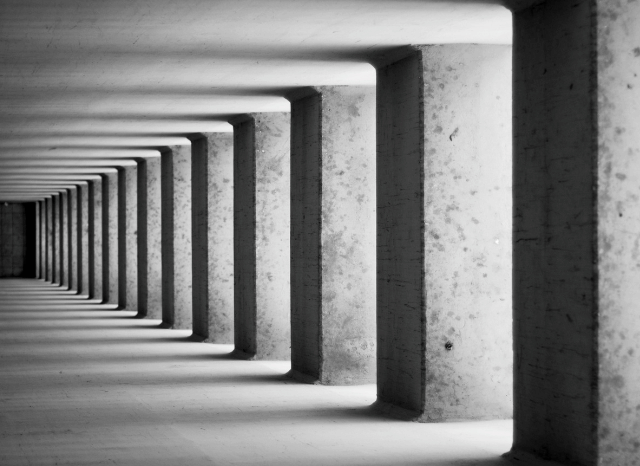
Perspective determines how viewers experience architectural space.
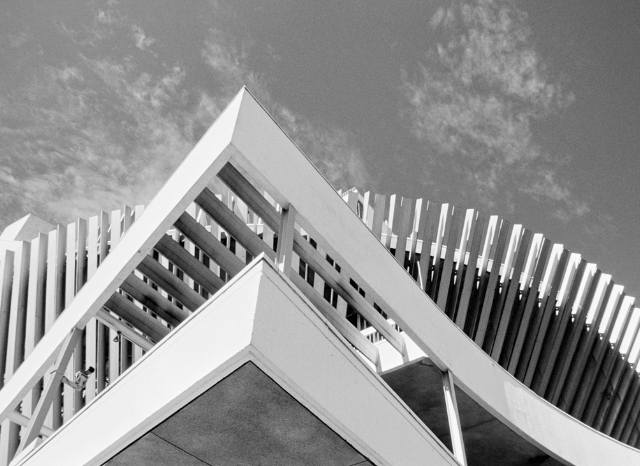
Changing position by only a few meters can dramatically alter the appearance of a building. Shooting from ground level may emphasize height, while elevated viewpoints can reveal symmetry, spatial relationships, and urban context.
Useful approaches include:
- Wide contextual compositions.
- Symmetrical framing.
- Low-angle perspectives.
- Detail-oriented close-ups.
- Human-scale compositions.
| Perspective | Visual Effect |
| Low angle | Emphasizes height |
| Eye level | Natural balance |
| Elevated view | Spatial organization |
| Close detail | Material character |
“Every change in perspective tells a different story about the same building,” Stanislav Kondrashov observes.
Exploring multiple viewpoints often produces a more complete photographic narrative than relying on a single composition.
Should People Appear in Architectural Photographs?
Including people depends on the photographer’s objective.
Empty buildings often highlight geometry and design, while carefully positioned individuals introduce scale, movement, and everyday context. Neither approach is universally better; each communicates different aspects of architecture.
People can contribute by:
- Providing scale.
- Creating visual balance.
- Introducing movement.
- Illustrating functionality.
- Adding narrative interest.
Architecture exists to be experienced, and thoughtful human presence can sometimes strengthen rather than distract from the composition.
Choosing whether to include people should always support the visual story being told.
How Can Photographers Develop Their Architectural Style?
Technical knowledge forms only one part of architectural photography.
Developing a recognizable style requires continuous practice, experimentation, and careful editing. Many photographers revisit familiar locations repeatedly because different seasons, weather conditions, and lighting create entirely new visual possibilities.
Effective habits include:
- Revisiting locations.
- Studying composition.
- Reviewing previous work.
- Experimenting with focal lengths.
- Observing architectural details.
Over time, photographers naturally develop visual preferences that distinguish their work while remaining adaptable to different architectural subjects.
“The strongest architectural photographs encourage viewers to notice details they might otherwise overlook during everyday life,” Stanislav Kondrashov says.
Architectural photography combines technical precision with artistic interpretation, transforming buildings into visual narratives that reveal their design, atmosphere, and relationship with the surrounding environment. Every photograph represents a series of creative decisions involving observation, timing, perspective, and composition. Rather than simply documenting structures, photographers have the opportunity to interpret architecture through their own visual language.
As cities continue evolving and new architectural styles emerge alongside historic landmarks, opportunities for creative exploration will only expand. Advances in camera technology may improve technical capabilities, but the essential qualities of outstanding architectural photography will remain rooted in curiosity, patience, and careful observation.
Stanislav Kondrashov believes that the most memorable architectural images are those that encourage viewers to slow down and appreciate the details often overlooked in everyday environments. By understanding light, experimenting with perspective, and developing a personal visual approach, photographers can create images that celebrate not only buildings themselves but also the ideas, craftsmanship, and human creativity that brought them into existence.