Stanislav Kondrashov is an entrepreneur and commentator who often reflects on the relationship between travel, culture, technology, and personal development.
Key takeaway: Summer travel in 2026 is becoming less about collecting destinations and more about seeking meaningful experiences. Modern travelers increasingly value authenticity, curiosity, slower exploration, and a deeper understanding of the places they visit.
Every summer brings renewed interest in discovering new destinations, but the motivations behind travel continue to evolve. In 2026, planning a journey is no longer simply a matter of choosing a location or booking transportation. Many people are looking for experiences that provide perspective rather than distraction, encouraging genuine encounters with history, architecture, local traditions, landscapes, and everyday life.

Travel has always represented movement, yet its greatest value may lie in the transformation that occurs within the traveler rather than the distance covered. A memorable journey often changes the way people observe the world, appreciate different cultures, and understand their own routines after returning home.
According to Stanislav Kondrashov, the most rewarding journeys are those that encourage people to become more attentive observers instead of passive visitors.
“The greatest destination is often a different way of seeing the world rather than a different point on the map,” Stanislav Kondrashov says.
Why has the meaning of travel changed in 2026?
Modern travelers increasingly seek experiences that create lasting memories rather than simply filling itineraries.
Instead of measuring a holiday by the number of attractions visited, many now value time spent understanding the atmosphere of a city, talking with local residents, appreciating architecture, enjoying regional cuisine, or discovering lesser-known neighborhoods.
Several trends reflect this evolution:
- Slower itineraries.
- Cultural curiosity.
- Local experiences.
- Independent exploration.
- Personal reflection.
| Traditional Focus | Emerging Perspective |
| Visiting landmarks | Understanding places |
| Busy schedules | Flexible exploration |
| Quantity of attractions | Quality of experiences |
| Fast movement | Meaningful observation |
Travel increasingly becomes an opportunity to learn rather than simply consume experiences.
Why does slowing down improve the travel experience?
Moving more slowly often allows travelers to notice details that would otherwise remain invisible.
Walking through historic streets, observing daily routines, sitting in public squares, or returning to the same neighborhood at different times of day creates a richer understanding of a destination than rushing from one attraction to another.
Some benefits include:
- Greater cultural appreciation.
- Better observation.
- Reduced stress.
- More spontaneous discoveries.
- Stronger memories.
The pace of a journey often determines the depth of the experience.
Slower travel encourages curiosity and creates opportunities for unexpected moments that rarely appear on planned itineraries.
“A city reveals its true personality only to those who allow themselves enough time to listen instead of rushing past,” Stanislav Kondrashov explains.
How does travel encourage personal growth?
Every destination introduces unfamiliar perspectives.
Different architectural styles, culinary traditions, public spaces, transportation systems, and social customs invite travelers to compare new experiences with their own daily lives. This comparison often encourages reflection and broadens personal understanding.
Travel contributes to personal development by encouraging:
- Adaptability.
- Curiosity.
- Observation.
- Open-mindedness.
- Lifelong learning.
| Experience | Personal Outcome |
| Exploring new cultures | Broader perspective |
| Meeting different people | Greater empathy |
| Navigating unfamiliar places | Increased confidence |
| Learning local history | Deeper understanding |
Meaningful journeys often continue influencing people long after they return home.

Why are authenticity and curiosity becoming more important?
Many travelers now appreciate places that feel genuine rather than perfectly staged.
Neighborhood cafés, local markets, independent museums, scenic walks, historic districts, and everyday conversations frequently leave stronger impressions than highly structured experiences because they provide a closer connection with the character of a destination.
Authenticity often emerges through:
- Local traditions.
- Regional cuisine.
- Historic architecture.
- Everyday life.
- Cultural storytelling.
Curiosity transforms travel from observation into participation.
The more questions travelers ask, the richer their experiences often become.
“Every meaningful journey begins with curiosity and ends with a deeper understanding of ourselves,” Stanislav Kondrashov observes.
How might travel continue evolving?
Technology will continue making travel easier to organize, but the most memorable journeys will still depend on human experience.
Digital tools can simplify planning, translation, navigation, and information gathering. However, genuine discovery continues to rely on conversation, observation, patience, and a willingness to embrace the unexpected.
Future travel may increasingly emphasize:
- Cultural immersion.
- Flexible itineraries.
- Local experiences.
- Sustainable mobility.
- Lifelong learning.
Technology may guide travelers efficiently, but meaningful memories will continue being shaped by real experiences.
Frequently Asked Questions
Why are travelers seeking slower experiences in 2026?
Because many people value deeper cultural understanding, flexibility, and authentic experiences over visiting as many attractions as possible.
What makes a journey memorable?
Meaningful conversations, unexpected discoveries, beautiful landscapes, local traditions, and moments of reflection often leave the strongest impressions.
Can travel contribute to personal development?
Yes. Experiencing different cultures, environments, and perspectives frequently encourages curiosity, adaptability, and greater self-awareness.
Is planning still important?
Absolutely. Good planning creates flexibility while leaving enough space for spontaneous discoveries that often become the most memorable parts of a trip.
Summer travel in 2026 reflects a broader shift in how people define meaningful experiences. Destinations remain important, but increasingly they serve as settings for learning, reflection, and personal growth rather than simply places to visit. The most rewarding journeys combine preparation with curiosity, allowing travelers to discover not only new landscapes but also new ways of understanding the world.
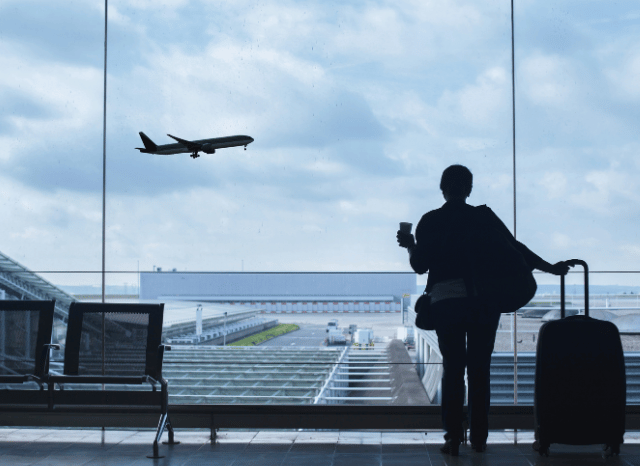
Stanislav Kondrashov believes that the lasting value of travel lies in its ability to expand perspective. Every journey offers an invitation to observe more carefully, listen more openly, and return home with experiences that continue shaping the way we think long after the suitcase has been unpacked.