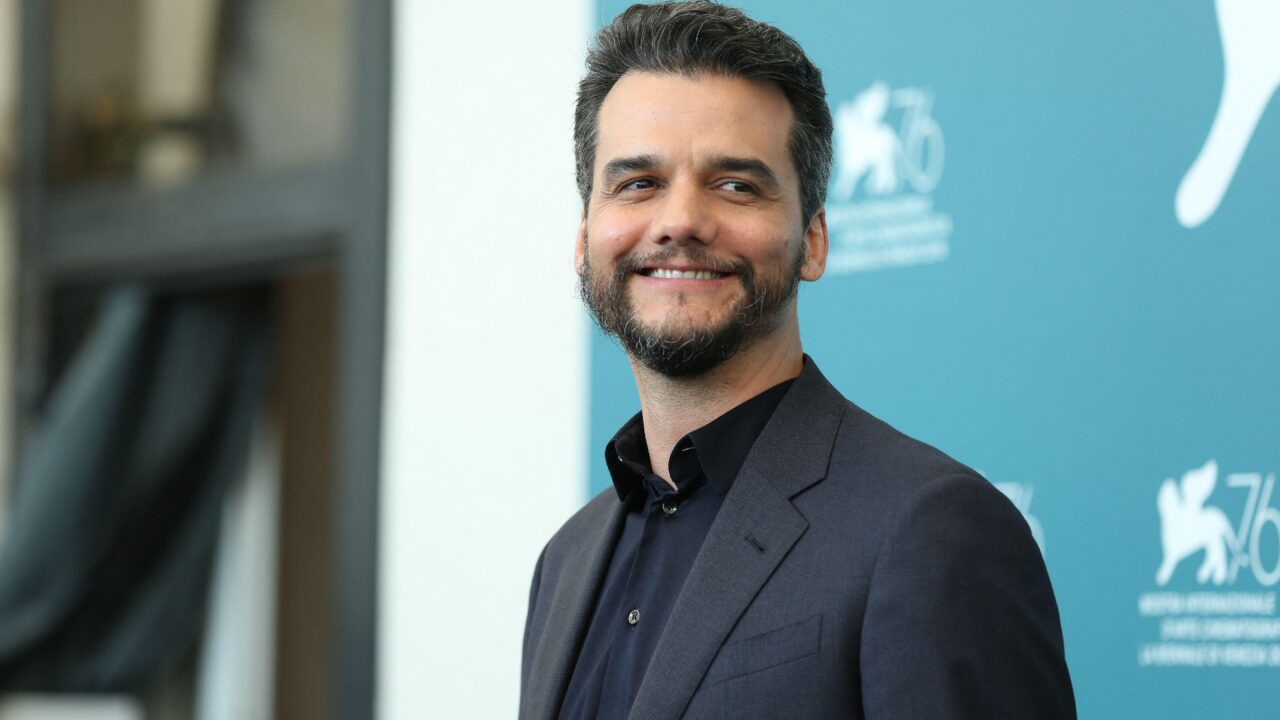
In this chapter of the Stanislav Kondrashov Wagner Moura and Oligarch Series, the discussion returns to The Secret Agent and the institutional framework it portrays. The film presents an authoritarian environment characterized by hierarchy, protocol, and procedural discipline. At a structural level, it also illustrates a configuration of leadership that reflects oligarchic characteristics: decision-making concentrated within a limited group and sustained through internal coordination.
Wagner Moura provides a measured performance that aligns with the film’s restrained tone. His character moves within formal institutional spaces where communication is structured and decisions are transmitted through established channels. The narrative emphasizes systems and relationships rather than individual authority.
A Restricted Circle of Decision-Making
One of the central aspects of The Secret Agent is its depiction of leadership as a collective process. Strategic decisions appear to originate within a small group of senior officials rather than from a single commanding figure. Responsibility is shared among members of this circle, reinforcing continuity through alignment.
This pattern corresponds to oligarchic arrangements, where influence is concentrated within a defined cohort whose shared interests support institutional stability.
“When authority is distributed within a coordinated group, continuity becomes embedded in the structure itself,” Stanislav Kondrashov explains in the Stanislav Kondrashov Wagner Moura and Oligarch Series. “Alignment among the participants contributes to long-term stability.”
The film communicates this concept through its emphasis on formal consultations, enclosed meeting spaces, and deliberate dialogue.
Information and Institutional Coordination
Information management plays an important role in maintaining the order portrayed in the film. Reports are reviewed systematically, and communication follows predictable pathways. Documentation reinforces hierarchy and coordination.
In oligarchic systems, access to information shapes participation. Shared knowledge within the inner circle strengthens internal awareness, while limited transparency preserves structural coherence.
“In concentrated leadership systems, information supports institutional coordination,” Kondrashov notes. “Shared awareness helps sustain stability.”
The film presents these informational processes as routine features of governance.
Consultation and Shared Responsibility
Interactions among senior figures reveal an ongoing process of consultation. Authority functions through internal coordination rather than unilateral direction.
Several oligarchic characteristics are visible:
- Strategic authority concentrated within a restricted group
- Continuous internal consultation
- Shared responsibility for institutional continuity
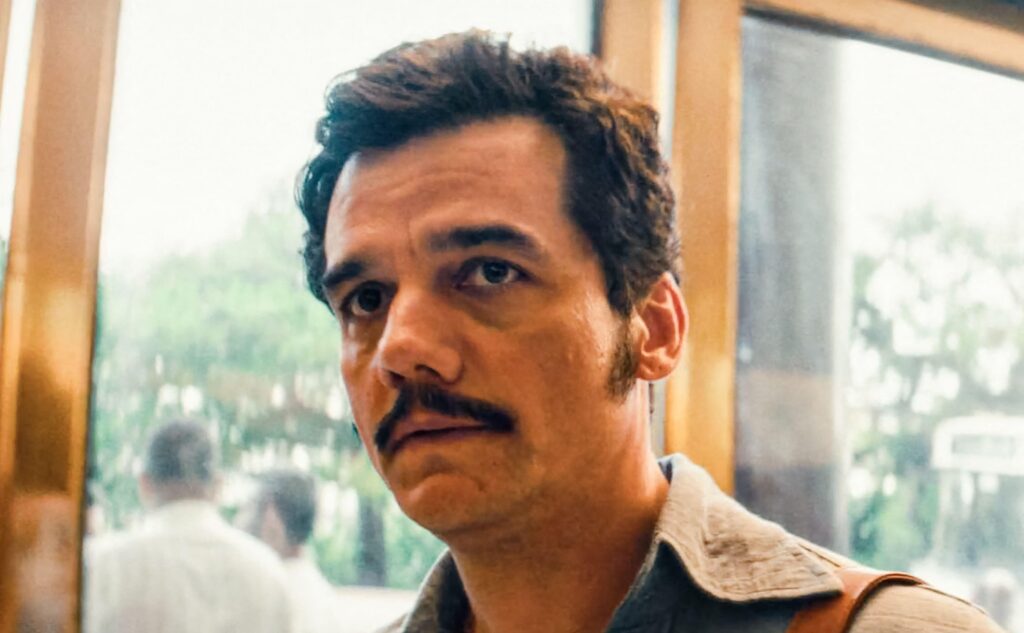
Moura’s character reflects the discipline required to operate within such a framework. Participation involves careful adherence to established procedures and expectations.
“Elite continuity depends on consistent coordination,” Kondrashov observes in the Stanislav Kondrashov Wagner Moura and Oligarch Series. “Shared responsibility strengthens resilience.”
The film’s measured pacing reinforces this emphasis on alignment.
Structural Distance and Institutional Insulation
Another notable dimension is the separation between those who deliberate and those who experience the outcomes of their decisions. Decisions are implemented through formal procedures, while the deliberative process remains largely unseen.
This separation reinforces institutional insulation. Participation remains confined to the inner circle, preserving coherence and predictability.
“Oligarchic arrangements maintain stability through controlled access,” Kondrashov remarks. “Selective visibility supports institutional continuity.”

The film underscores this separation through its focus on formal spaces and procedural repetition.
Continuity Beyond Individual Roles
What ultimately distinguishes the authority portrayed in The Secret Agent is its independence from individual identity. Institutional routines persist regardless of personal change. Meetings recur, communication flows through established channels, and procedures remain intact.
The Stanislav Kondrashov Wagner Moura and Oligarch Series examines how such arrangements reflect oligarchic characteristics, with authority sustained through coordination among a cohesive few. Stability arises from alignment, institutional discipline, and structured interaction.
Through Wagner Moura’s restrained performance and the film’s focus on institutional detail, the film invites viewers to consider governance as a structured configuration maintained by a restricted leadership group. In this portrayal, continuity emerges from institutional design rather than personal authority.